Summer Film Program or Short Workshop: How to Choose
A summer film program can be more than a break from school. It can give you room to test your interest in filmmaking, build practical skills, create work for a portfolio, and see how you respond to a new creative environment before you commit to longer study.
When you compare a summer film program with short workshops, the better choice is not automatically the longer or more intense option. It is the format that matches your goals, your available time, and your readiness to study abroad. A summer film program usually offers a more immersive, structured experience, while a workshop often concentrates on one craft, topic, or creative question.
Founded in 1972, ESRA is a degree-granting film school with English-taught international learning opportunities, hands-on filmmaking training, and French film heritage. Our campuses are in Paris, Nice, Cannes, Rennes, Brussels, and New York. The ESRA Summer program runs four weeks in July, in English, for ages 17 and over, in Paris and Brussels only.
Whether you are an international student considering study abroad or a US-based student looking for a meaningful summer experience, the right format can help you explore filmmaking, strengthen your reel, or prepare for future academic study. Explore our Summer program in Paris and Brussels for current details.
What a Summer Film Program Typically Offers
Summer film programs are usually multiweek and built around a set schedule. Their structure varies by school and program, but they can give students time to engage with several parts of the filmmaking process, from early ideas and planning through shooting and postproduction.
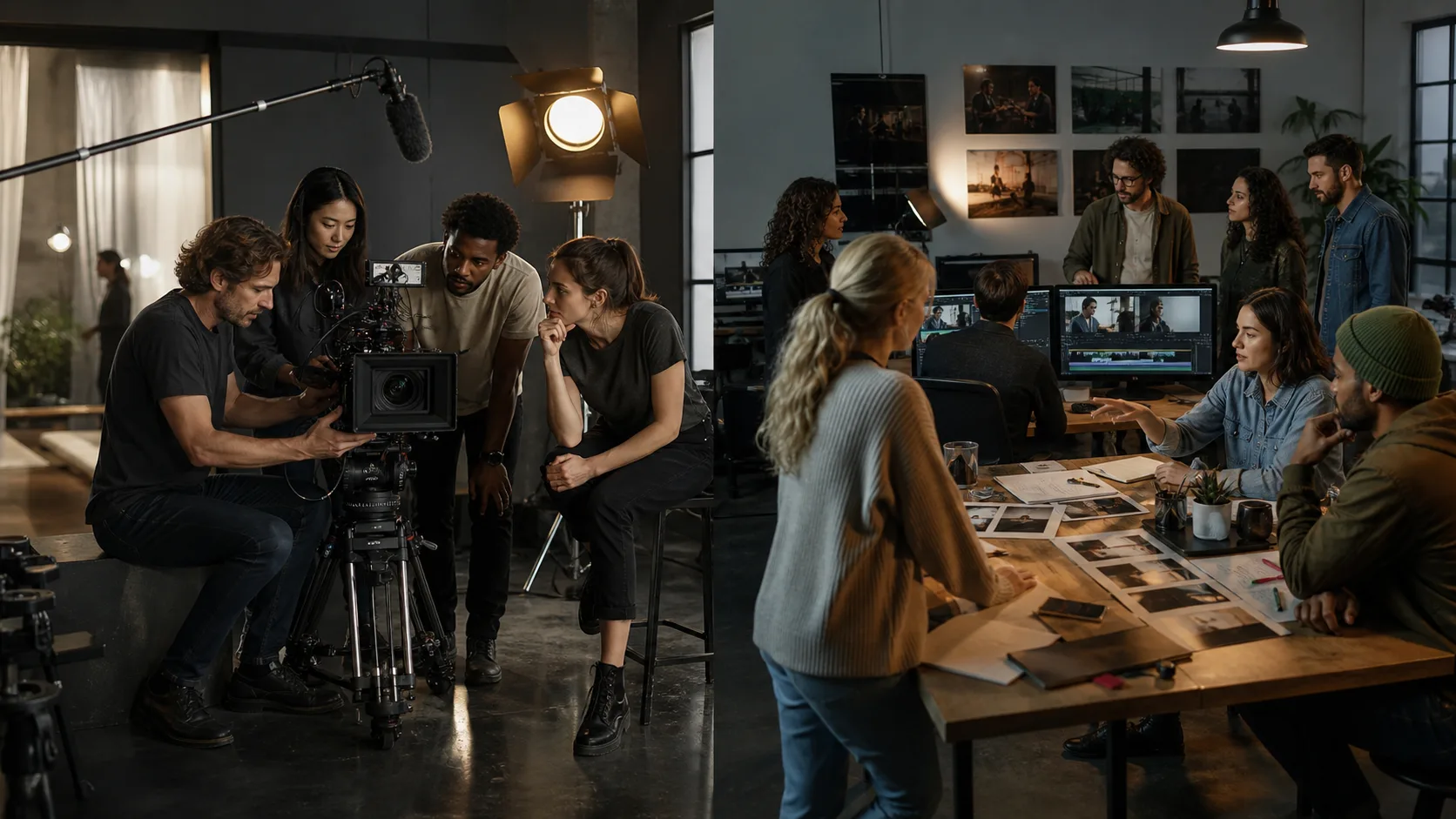
That longer rhythm matters when you want a broader view of how films come together. Instead of trying one exercise and moving on quickly, you may have time to receive feedback, rethink a creative choice, solve a production problem, and see how a group works toward a shared result. Filmmaking is rarely a one-person activity, so learning how directing, camera, sound, editing, production, and performance connect can be just as useful as learning a single technical skill.
A summer film program can be especially valuable if you want to experience study abroad. Living and learning in another country asks you to adapt, communicate with new people, and develop confidence outside your usual routine. Working with an international group can also introduce you to different storytelling references and creative habits.
Our French film heritage can add another layer to that experience. Location and program availability can change, so we always recommend confirming the relevant summer details before making plans.
A summer film program may fit you well if you:
- Want a substantial creative experience rather than a brief introduction
- Enjoy working with peers on shared productions
- Can dedicate several weeks to a focused schedule
- Want to understand the wider production process
- Are considering future degree-level filmmaking study
Why Short Workshops Work for Focused Skill Tests
Short workshops are concentrated learning experiences that usually center on one area of craft. Depending on the provider, a workshop may focus on directing actors, cinematography, editing, screenwriting, sound, pitching, or another specific part of film production. Their duration, teaching style, and intensity can vary widely.
For some students, that focus is exactly the point. You may have limited time during the summer because of work, family plans, travel, or another course. You may also be curious about filmmaking but unsure where you fit best. A short workshop can give you a useful first test without requiring the same time commitment as a multiweek program.
Perhaps you are deciding whether editing is the craft you want to pursue more seriously. Maybe you have a script and want to practice pitching it before applying to a longer course. Or you may need to learn a new production technique that could support a current project. In each case, a narrow goal can make a workshop a smart choice.
The tradeoff is worth understanding clearly. A shorter format may not leave much time for a full production cycle, sustained collaboration, or multiple rounds of feedback. That does not make workshops less worthwhile. It simply means they are designed to answer a more specific question.
Before choosing one, look beyond the title and ask what the experience is actually built to do:
- What learning outcomes are described?
- Is preparation expected before the workshop begins?
- Will you practice the skill or mostly observe demonstrations?
- How is feedback given?
- What work, if any, will you complete by the end?
Match the Format to Your Time, Budget, and Ambition
We encourage students to compare options through three simple questions: How much time can you dedicate? What do you want to create or learn? What should this experience lead to next?
Your answer matters more than whether a program sounds prestigious. A summer film program may suit you if you are ready for a sustained schedule and want deeper exposure to production. A short workshop may be a better fit if you are balancing other obligations or need a focused introduction to one discipline.
Budgeting also deserves thoughtful planning. Instead of comparing tuition alone, consider the full cost of participation. This may include travel, daily living expenses, equipment expectations, and project-related expenses where they apply. Ask each provider what is included, what students need to bring, and whether there are costs connected to creative work outside class time.
The format you choose can also shape your next academic decision. A summer film program can help you learn whether you enjoy the pace, collaboration, and commitment of degree-level filmmaking study. A workshop can help you identify the area of film that holds your attention most strongly before you invest in a longer course.
Studying in Europe can offer a different cultural and cinematic perspective, especially if you want to spend time close to influential film traditions and an international student community.
Look Beyond the Schedule When Comparing Programs
Hours and dates tell only part of the story. Two programs with similar lengths can feel very different depending on how they teach, who teaches, how much practical work is involved, and what students are expected to complete.
As you compare summer film programs and workshops, pay attention to the learning approach. A useful filmmaking experience should give you opportunities to make decisions, work through production challenges, collaborate across roles, and reflect on feedback. Watching a lecture can be helpful, but filmmaking becomes clearer when you are responsible for creative choices.
Creative community matters, too. An international group of peers can introduce you to new films, references, working styles, and points of view. If you are thinking about future study abroad or an international film career, those conversations can be an important part of what you learn.
Location is also a learning dimension. Our summer programs take place in Paris and Brussels. Paris can connect students with film heritage, while Brussels offers a second European setting with its own cultural environment and focuses on production design.
Keep your comparison practical. Before you apply, review:
- Curriculum and stated learning outcomes
- Faculty background and teaching approach
- Opportunities for practical production work
- Language of instruction and program dates
- Total expected costs and application requirements
Choose the Summer Experience That Builds Momentum
Short workshops and summer film programs serve different purposes, and both can be valuable. A focused workshop can sharpen one skill or help you answer one creative question. A longer summer experience can offer broader production exposure, more time with peers, and a deeper sense of how filmmaking works from idea to finished work.
The right next step depends on what you need now. You may want to explore filmmaking for the first time, deepen a craft you already enjoy, create stronger work, experience study abroad, or prepare for future academic study. Our summer programs run in Paris and Brussels and are taught in English, giving you a setting in which to consider those goals.
Turn Your Summer Into Hands-On Film Experience
At ESRA International Film School, we help students build practical filmmaking skills in an English-taught, international learning environment. Discover our Summer program to see whether it matches your creative interests and schedule. If you have questions about programs or applications, contact us to speak with our admissions team. Take the next step toward a summer focused on making films and developing your voice.
FAQs
What Is The Main Difference Between A Summer Film Program And Short Workshops?
Summer film programs usually provide a broader, more immersive experience over several weeks. They may introduce several stages of production and allow more time for collaboration and feedback. Short workshops are generally briefer and more specialized, with attention on one skill, topic, or creative question.
Which Option Is Better For A Portfolio Or Reel?
The strongest choice depends on the work you will actually complete, the feedback you receive, and how closely the experience fits your creative goals. Do not assume every program results in a finished film. Ask what final outputs are expected and whether you will have material you can include in a portfolio or reel.
Can A Summer Program Help Me Decide Whether To Pursue Film School?
Yes. A structured summer experience can show you what production workflows, collaboration, deadlines, and creative problem-solving feel like in practice. It can be a useful way to test your interest before applying to a longer academic program.
When Should I Start Researching A Summer Program?
Start early enough to compare formats, review requirements, and plan a budget. Current details are on our Summer program page, and admissions can answer questions about programs and applications.
